Shaping Future Leaders Through Emotional and Adaptive Intelligence
Leadership skills in young people are developed through emotional awareness, adaptive thinking, and supportive environments that shape how they grow, think, and lead.
Children & Future Intelligence: How Intelligence Continues
At Signature Academy, I believe leadership skills in young people are shaped not by strict instruction, but by the environment they experience every day. Children learn intelligence by example: what they see, feel, and absorb forms the mindset and values that influence how they think and lead. The Children & Future Intelligence programme explores how intelligence is transmitted across generations, beyond academic achievement, focusing on reflective, adaptive, and emotional strengths. In today's fast-moving world, preparing young people for true leadership means strengthening their inner awareness and fostering original thinking that will serve them—and society—into the future.


Seeing intelligence in children
Too often, intelligence in children is measured solely by marks, behaviour, or how quickly they pick things up. At Signature Academy, I encourage a broader perspective—one that recognises less visible yet essential qualities such as emotional safety, adaptability, and social awareness. These qualities shape how children process new experiences and, ultimately, the adults they become.
In today's fast-moving world, children are exposed to levels of digital stimulation and pressure unlike any previous generation. To prepare them for the future, emotional intelligence must move from an optional extra to a core life skill.
How do children think?
Research shows that children think and feel differently from adults. Pioneers such as Piaget and Bowlby demonstrated that children's emotional and cognitive worlds develop through distinct, evolving stages. When we expect children to meet adult expectations without supporting their development, we create conditions for anxiety and internalised stress—where intelligence cannot thrive.
Developing emotional literacy is essential. It means helping young people recognise and understand their feelings before expecting them to manage them. Parents and educators have immense influence—not only through words, but through the behaviour and calm they model every day. Adaptive intelligence in young people, nurtured through space for mistakes and thoughtful guidance, strengthens resilience and builds the foundations for leadership in any setting.
How to adapt to different forms of children's intelligence
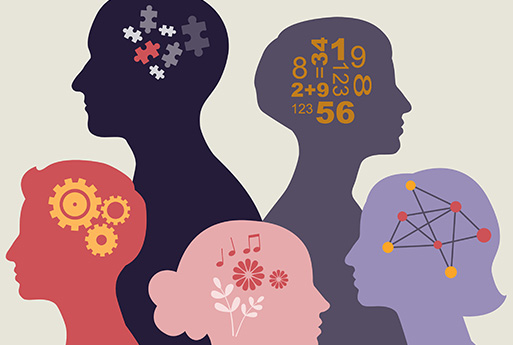
No two children think alike. Some process information visually, others through movement, patterns, emotion, or social interaction. At Signature Academy, each child is approached as an individual, embracing Gardner's view that intelligence is multi-dimensional and not defined by a single standard.
This is especially important in schools and families. Being intentional and flexible in how learning is approached makes education more engaging and supportive. Understanding a child's unique intelligence is a key part of personal development—it builds confidence and helps them shape their own path to leadership, based on their strengths.
How to help neurodivergent children thrive
Neurodivergent children—those with autism, ADHD, learning differences, or sensory needs—can thrive when supported with patience and understanding. The challenge is not their potential, but often the adult systems that prioritise conformity over individuality.
At Signature Academy, the approach is strength-based and inclusive, ensuring each child's abilities are recognised and developed. Through emotional and adaptive intelligence, adults become more responsive and creative in their support, helping young people not only function, but flourish. By shifting from reactive responses to proactive, thoughtful strategies, we create space for genuine growth in every child.
How to manage intelligence as a parent
Today's parents face growing pressure to raise children who are both high-performing and emotionally stable. This often leads to control-based approaches that overlook how intelligence actually develops.
Shifting from control to conscious leadership is key. At Signature Academy, I work with families as interconnected systems, offering practical, awareness-based guidance.
I support adults in looking beyond surface behaviour, responding with intention rather than reacting in the moment.
This creates environments where children feel genuinely safe, understood, and valued—conditions where intelligence can develop naturally and sustainably.

Core areas
- Preparing human intelligence for long-term societal change
- Developing emotional literacy in children
- Building adaptive thinking from an early age
- Cultivating cultural awareness and respect
- Navigating technology, boundaries, and identity
- Shaping human-centred futures through the next generation
Frequently Asked Questions
What is future intelligence development?
It is the development of human capabilities such as emotional, adaptive, reflective, and social intelligence, preparing children to navigate change, uncertainty, and complexity.
Why is emotional intelligence important for children?
It helps children understand and manage emotions, build healthy relationships, and respond calmly and effectively in different situations.
Can reflective thinking skills be developed at a young age?
Yes. With the right guidance, children can learn to pause, think, and understand their reactions, building awareness and better decision-making over time.
Is this programme designed for parents, educators, or schools?
It is designed for all three, supporting adults in creating environments where children can develop naturally and sustainably.
How does this prepare children for the future workforce?
It builds adaptability, emotional awareness, communication, and critical thinking—skills essential for any future role, regardless of industry.
How is this different from traditional education approaches?
It focuses on how children think, feel, and adapt—not only on what they learn—supporting long-term development beyond academic performance.